
The Gift He Won’t Ask For:
Why Dads Need Time to Recharge Too
Understanding how stress shows up in the body—and why rest matters more than most realize
There’s a certain kind of “I’m fine” that many dads are very good at.
It’s not necessarily said out loud. Sometimes it’s in the way they keep going without pause, or brush off discomfort as something to deal with later. It becomes a habit—pushing through, staying busy, handling what needs to be done.
And over time, the body often starts carrying what isn’t being addressed.
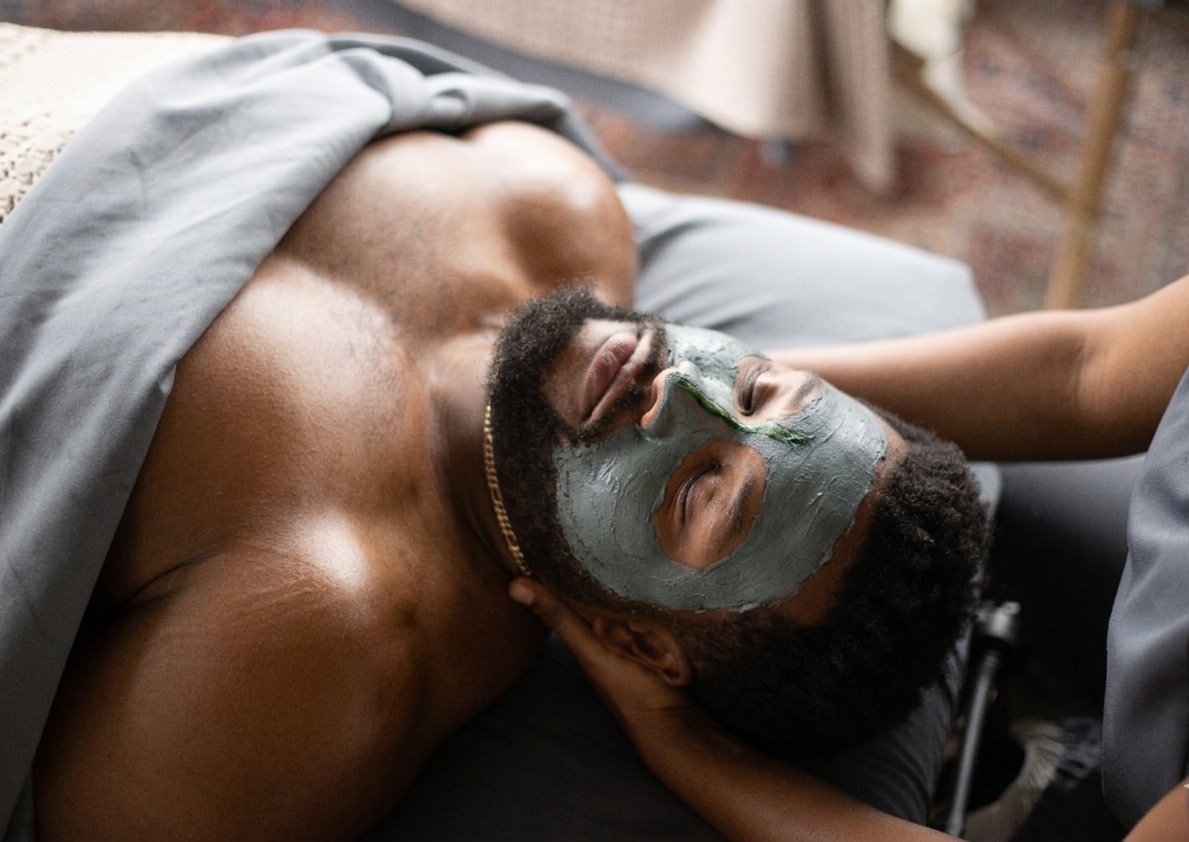
Stress doesn’t disappear—it settles somewhere
Even when it isn’t spoken about, stress has a physical presence.
It can show up as tightness that lingers in the shoulders.
A stiff neck that never quite loosens.
Lower back tension that builds slowly but consistently.
Headaches that come and go without a clear reason.
For many people—especially those who are used to staying in “go mode”—these signals become easy to overlook. Not because they aren’t noticeable, but because they’re normalized.
You get used to feeling a certain level of tension. You adjust around it. You keep moving.
But the body doesn’t fully release what it’s constantly holding.
Why men often carry stress differently
There’s a pattern that shows up often in wellness spaces: men are less likely to pause and check in with how their body is actually feeling until discomfort becomes harder to ignore.
Not because they don’t experience stress—but because it’s often managed through endurance rather than expression.
That can mean:
Physical tension becoming the default state
Delayed recovery after long work hours, workouts, or repetitive strain
Difficulty fully relaxing even during downtime
A sense of always being slightly “on”
Over time, this isn’t just about comfort—it’s about how the nervous system stays regulated (or doesn’t get the chance to fully reset).
From tension to relief: what the body actually needs
When we talk about rest in a meaningful way, it’s not just about stopping activity.
It’s about creating conditions where the body can actually let go.
Therapeutic bodywork, like massage, supports this in a very physical way. It helps:
Encourage blood flow and circulation
Release built-up muscular tension
Support the body’s natural recovery processes
Signal the nervous system that it’s safe to shift out of constant alertness
This is why people often describe feeling “lighter” or “clearer” afterward—it’s not just relaxation, it’s release.
And for bodies that are used to holding stress, that difference can be significant.
Why this matters on Father’s Day
Father’s Day is often framed around appreciation—gifts, meals, time together. And those things absolutely matter.
But there’s another layer that doesn’t always get named: care that actually supports how someone feels in their body, not just how the day is celebrated.
For the dad who says he doesn’t need anything, it’s not usually about lack of need—it’s about not being used to receiving it.
A moment to slow down.
A space where nothing is expected of him.
A chance for his body to fully exhale instead of just power through.
These are simple things, but they’re not always common.
A different kind of gift
Not every gift needs to be something added to life.
Some of the most meaningful ones are the ones that create space—space to rest, to recover, and to feel like the body isn’t constantly being asked to perform.
This Father’s Day, it might not be about doing more.
It might be about allowing less.
Less tension.
Less holding on.
Less “I’m fine” when the body is saying otherwise.
And more opportunity to actually feel what it’s like to unwind.
At Tranquil Traditions, we see this often—the shift that happens when someone experiences true release after carrying tension for a long time. It’s subtle, but noticeable. The shoulders drop a little lower. The breath deepens. The body softens in a way it didn’t realize it could.
And sometimes, that’s the most meaningful kind of care there is.